Bringing innovative agricultural technology to market requires more than a differentiated product. Sustainable commercial success depends on aligning technology, customer value, channel incentives, and execution. In a recent engagement…
Even when early market demand is strong, sustainable commercial success depends on choosing the right customers, channels, pricing, and path to market as well as understanding how those choices will play out through real-industry execution. As companies prepare to expand production, they must understand not only where demand exists, but which markets can support the product, how customers will access it, and how pricing and channel decisions today may shape long-term value.
A differentiated agricultural technology can demonstrate compelling performance and still face a difficult path to market. In many agricultural input markets, adoption depends on more than the end-user value proposition.
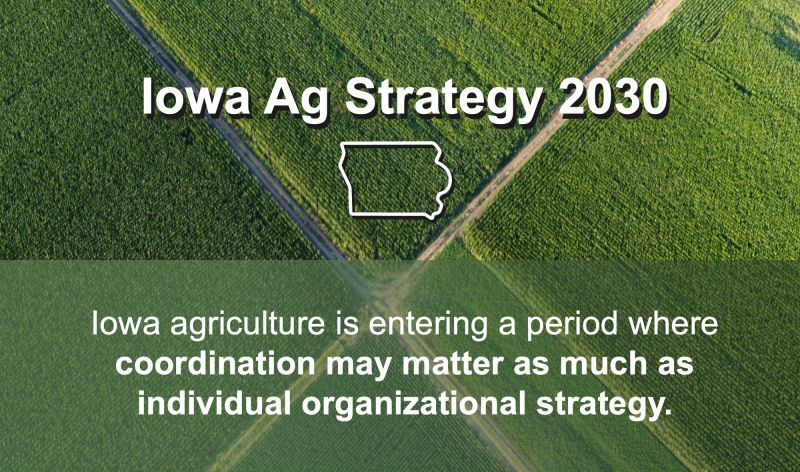
Iowa agriculture is entering a period where coordination may matter as much as individual organization strategy.
This is the first in our series of client-blind case studies highlighting how we help organizations reduce commercial uncertainty and make more informed strategic decisions.
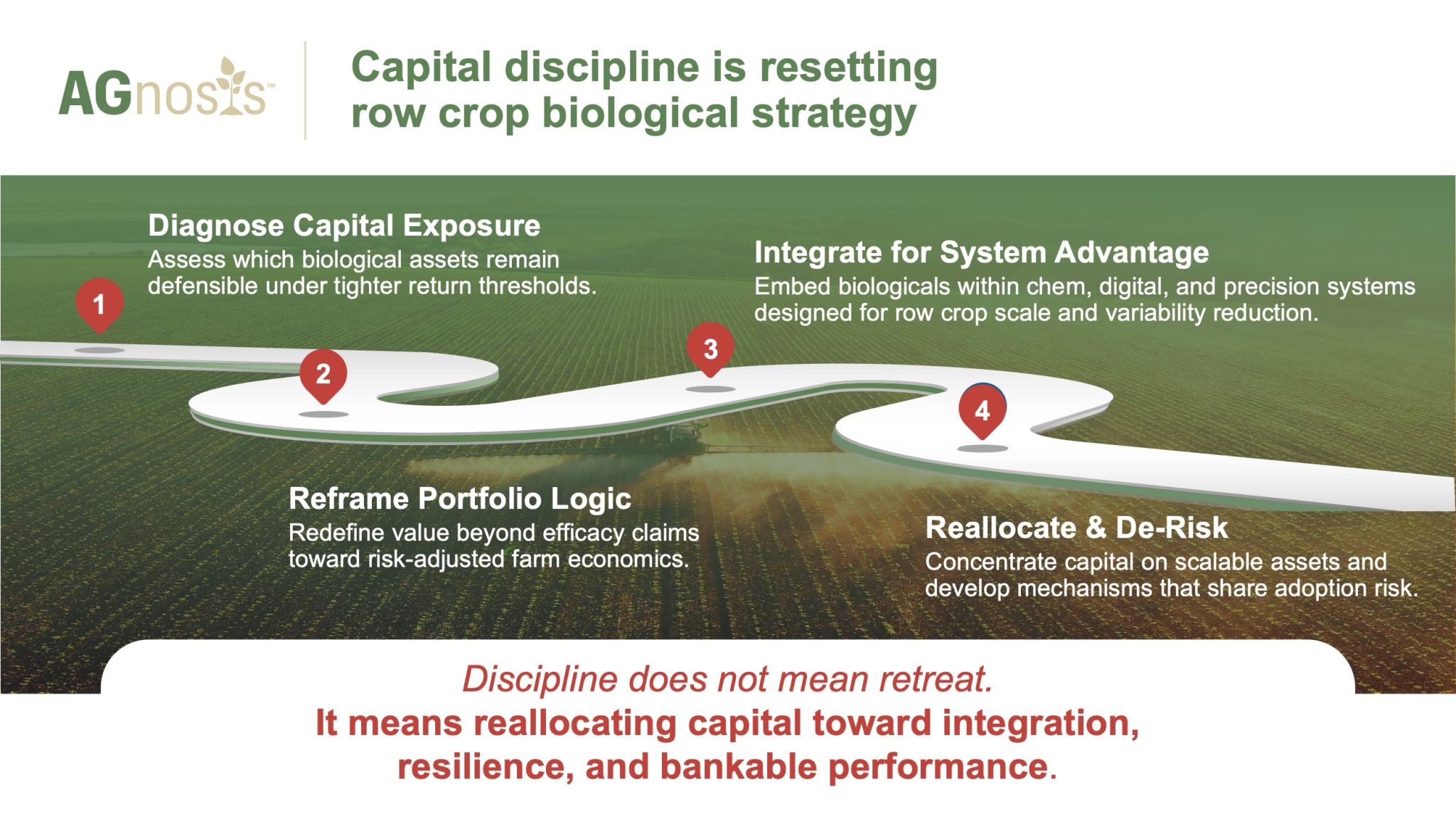
For much of the past decade, the category was defined by innovation momentum and rapid market expansion.
Today the conversation is shifting.